Curating knowledge
Training plan for new employees (with free templates)
A training plan for a new employee isn't a document you file away after day one. It's a living roadmap, and when it's built by someone who actually knows the role, it shows.

Ryan Macpherson
Editor:
Stephanie Chan
Most companies think they have a training plan. What they actually have is a folder, a handbook, and a hope. New employees piece things together through shadowing, Slack messages, and asking the same questions twice.
A well-structured training plan changes that. And today, building one isn't reserved for L&D teams with specialist tools and long timelines. Team leaders and managers can do it too, using what they already know about the role, the tools, and what it actually takes to succeed.
In this article:
What a training plan for a new employee actually is
The essential components every strong plan needs
How to create one, step by step
Free training plan templates to get you started
What is a training plan for a new employee?
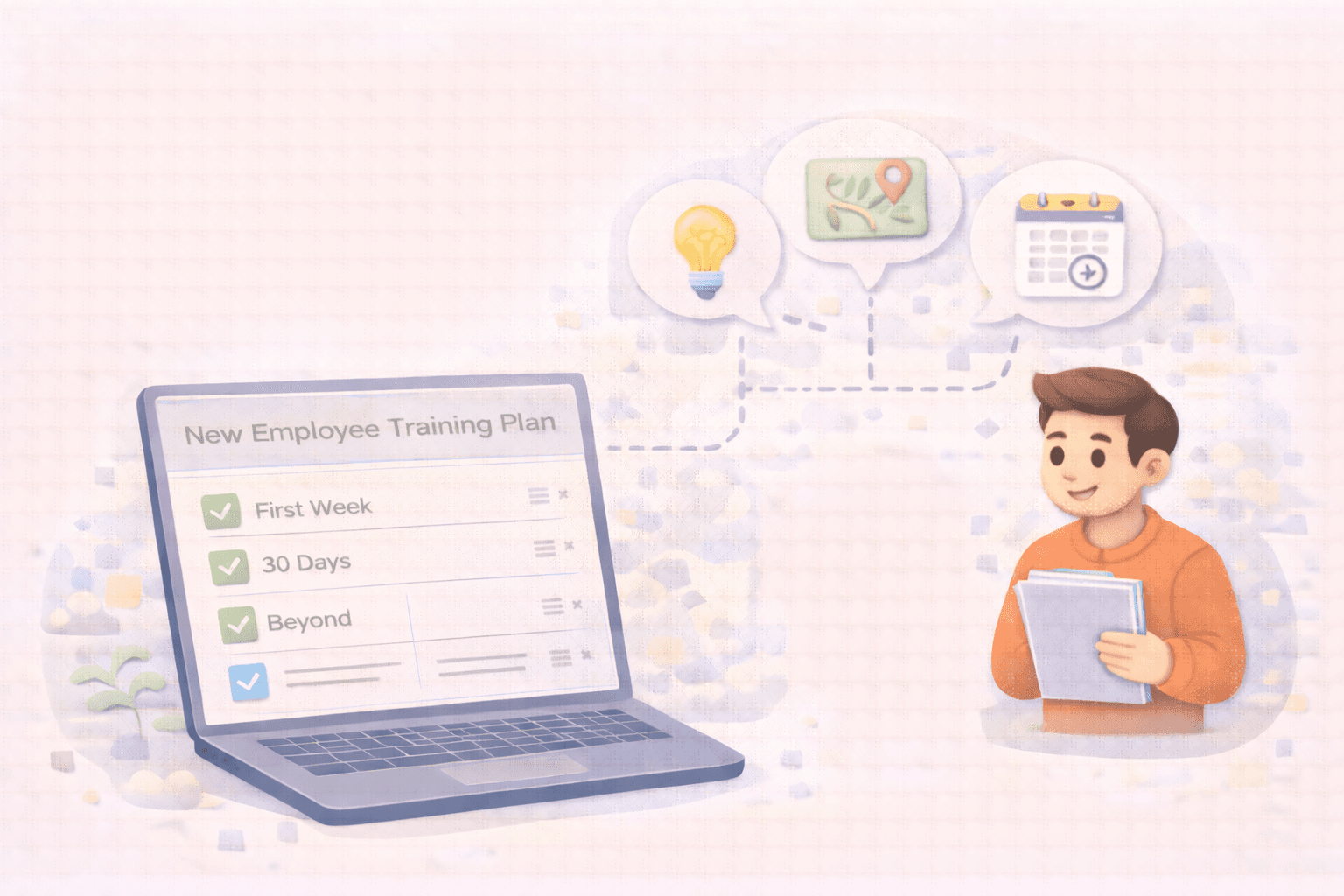
A training plan for a new employee is a structured roadmap that outlines what a new hire needs to learn, by when, and how. It covers the skills, tools, key processes, and relationships they need to start contributing confidently.
Think of it less like a document and more like a guide. It answers three questions every new hire has but rarely asks out loud:
What do I actually need to know?
When do I need to know it?
Where do I find it?
A strong employee training plan goes beyond company policies and a quick office tour. It maps out learning objectives, defines expected outcomes at each stage, and gives new employees a clear sense of what progress looks like in week one, at 30 days, and beyond.
It's also not a one-time event. The best training plans create resources that new hires can return to.
Done well, a new hire training plan removes the guesswork. New team members know what's expected, managers spend less time re-explaining, and the entire onboarding process stops feeling like a scramble.
Pro tip: Already know what your new hire needs to learn? Coassemble's AI can turn your existing docs, SOPs, or slide decks into structured, interactive training in minutes.
What a strong new employee training plan actually includes
A lot of training plans look thorough on paper. In practice, they're a compliance checklist and a company overview stapled together. Here's what separates a plan that actually works.
Clear learning objectives (not just a task list)
Start with outcomes, not activities. What should this person be able to do after their first week? What does good look like at 30 days? Clear training objectives give the plan direction and make it easier to spot when someone needs more support before it becomes a performance issue.
Role-specific training content
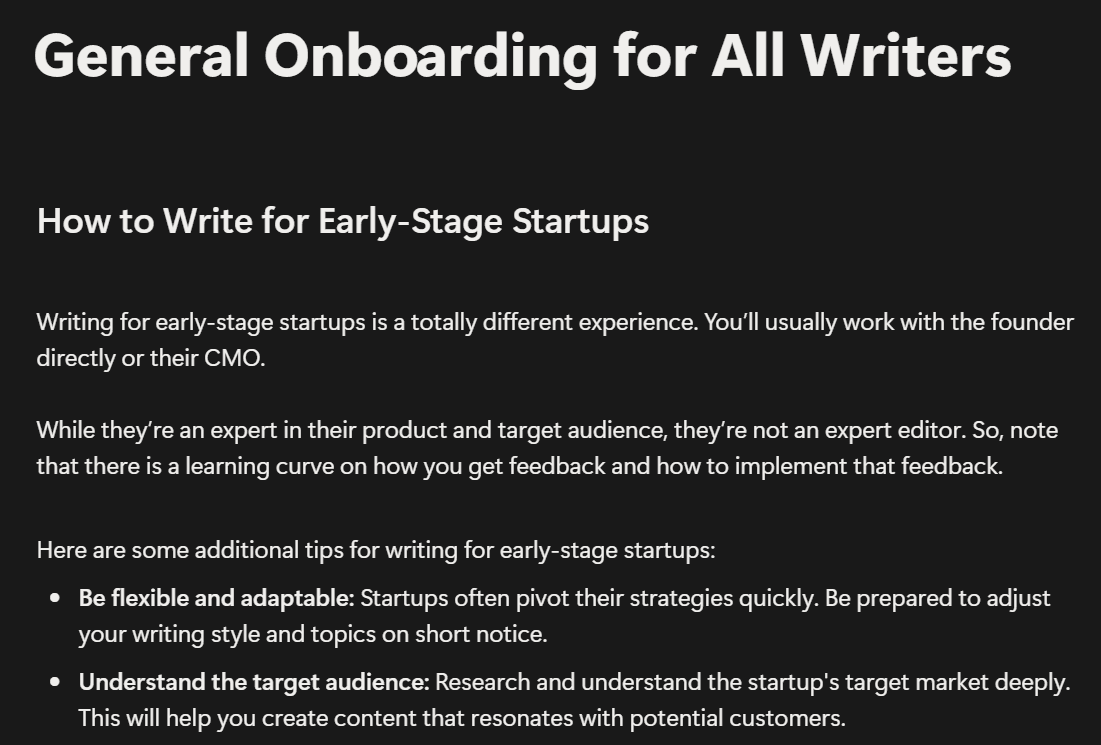
Generic onboarding covers the basics. A real employee training plan goes further; it reflects how this specific role operates. The tools they'll use daily, the workflows that aren't written down anywhere, the common scenarios they'll face in week two. That kind of training content only comes from people close to the work.
A realistic training schedule
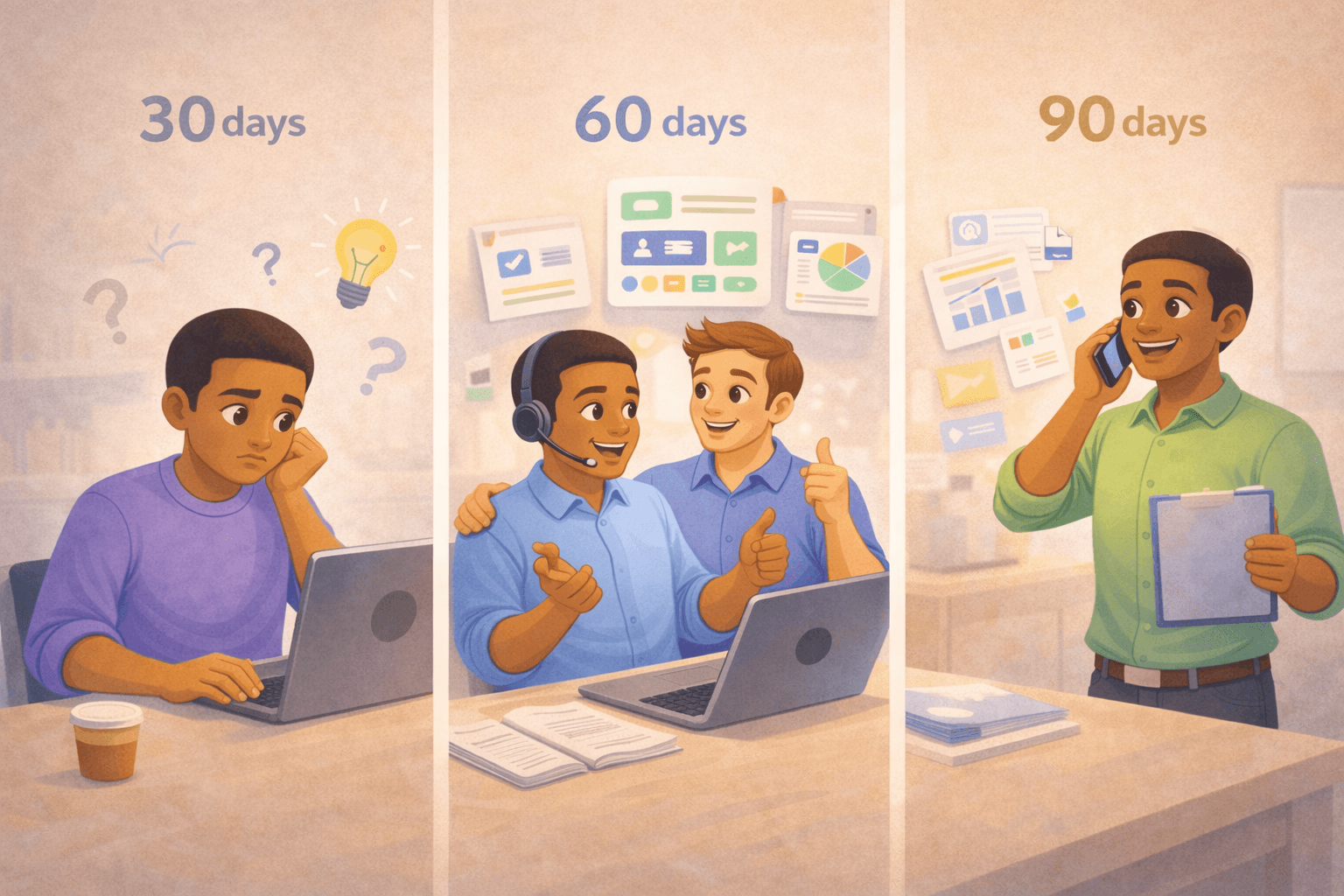
Pace matters. Front-load too much and new hires hit information overload. Spread it too thin and they're left guessing. A phased training schedule, anchored to the 30-60-90 day structure, breaks expectations into manageable stages without overwhelming anyone on day one.
For example, a new sales rep's first 30 days, for example, might focus on product knowledge, CRM basics, and shadowing discovery calls. Days 31-60 shift to running their own calls with manager support. By day 90, they're carrying a full pipeline independently.
Resources they can return to
One-time training sessions don't stick. Build in materials new hires can revisit: a short course, a recorded walkthrough, an interactive checklist. Reusable training materials reduce repeat questions and keep knowledge retention high long after the first week fades.
A delivery method that meets them where they are
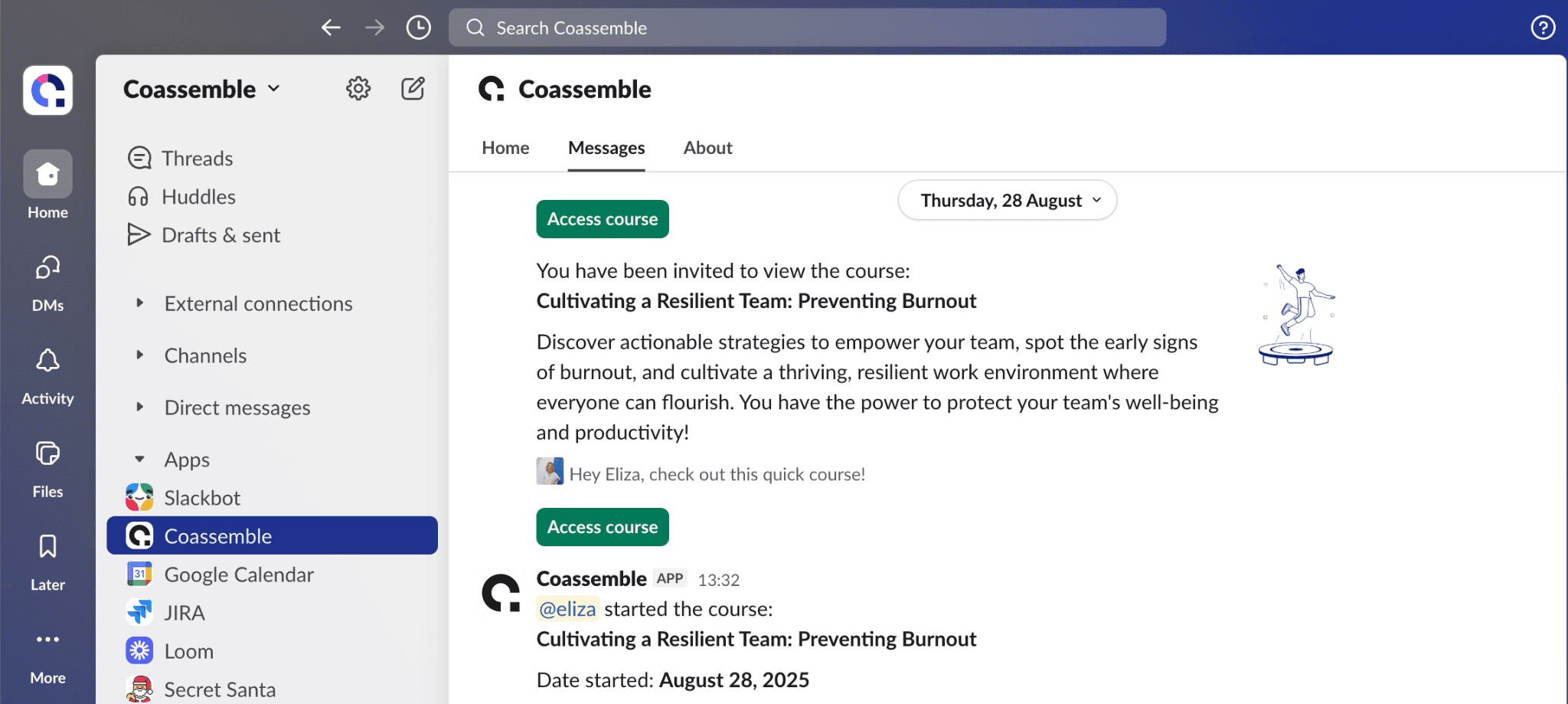
How training gets shared matters as much as what's in it. A link dropped into a Slack channel before day one feels immediate. No new platform to navigate, no "where do I find this again?" just training that shows up where the new hire already works. The right training methods make that possible.
Check-ins and feedback loops
Progress shouldn't be invisible. Build in moments to assess how things are landing: a quick weekly catch-up, a short quiz at the end of a module, a simple check-in message. Gathering feedback early helps you improve the plan for the next new hire, too.
How to create a clear training plan for a new employee (step by step)
Knowing what a strong training plan includes is the first step. Putting one together is where most managers stall. Not because it's complicated, but because it's hard to know where to start. Here's how effective employee training plans come together even without a dedicated L&D team or specialist tools.
Step 1: Start with what they need to do, not what you want to teach
Work backwards from the role. What does success look like at 30, 60, and 90 days? What are the must-knows versus the nice-to-knows? Defining those training needs upfront keeps the plan focused and stops it from ballooning into a training curriculum no one finishes.
Map out the key job responsibilities, the tools they'll touch in week one, and the business goals their role connects to. That's your foundation.
Step 2: Audit what you already have
Most teams have more training material than they realize. It's just trapped, buried in a slide deck, sitting in a Google Doc, scattered across process notes from three different team members. Before building anything new, round it up.
Chances are, 80% of the content already exists. Standard operating procedures, past onboarding notes, recorded walkthroughs, all of it is fair game. The goal is to identify knowledge gaps, not reinvent everything from scratch.
Step 3: Turn existing knowledge into something a new hire can actually use
A document is not training. A 40-slide deck is not training. Raw materials need to be shaped into something a new hire can actually move through, with clear structure, logical sequencing, and a format that suits diverse learning styles and preferences.
This is where a knowledge transfer platform like Coassemble earns its place. A team leader takes an existing SOP or process doc, uploads it, and the AI transforms it into a structured, interactive course in minutes. No design skills needed. No waiting on anyone else.
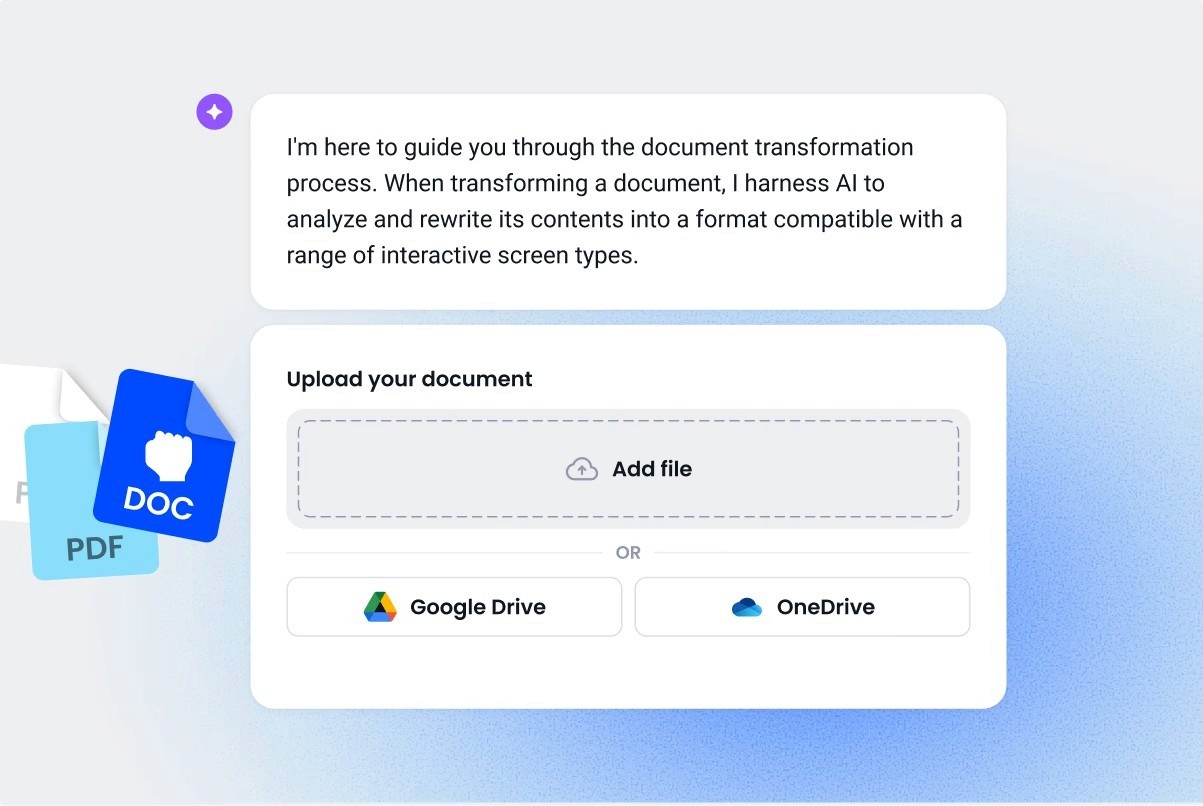
Then they share it via a link, dropped into the team's Slack onboarding channel, or sent as a DM before the new hire even starts. The new hire gets it where they already are. No separate platform to log into.
Take a sales manager who has a "how we run discovery calls" doc sitting in Google Drive. In minutes, that becomes a trackable interactive walkthrough, shared in Slack on the new hire's first morning.
Coassemble also plugs into existing LMS environments via SCORM export, so if your organization already has an LMS in place, the content works there too, without rebuilding anything.
Already want a head start? These free employee training plan templates from Coassemble give you a ready-made foundation:
Step 4: Organize it into phases
Structure the plan around the 30-60-90 day framework. The first week covers orientation: company culture, key tools, and immediate job responsibilities. Weeks two to four go role-specific. Months two and three shift toward independent contribution.
Not sure how to structure that first phase? Coassemble's free Sales Rep Onboarding: Foundations for Success course gives you a ready-made starting point. It's fully customizable, adjust the structure, swap in your own content, and brand it to match your team. No rebuilding from scratch.
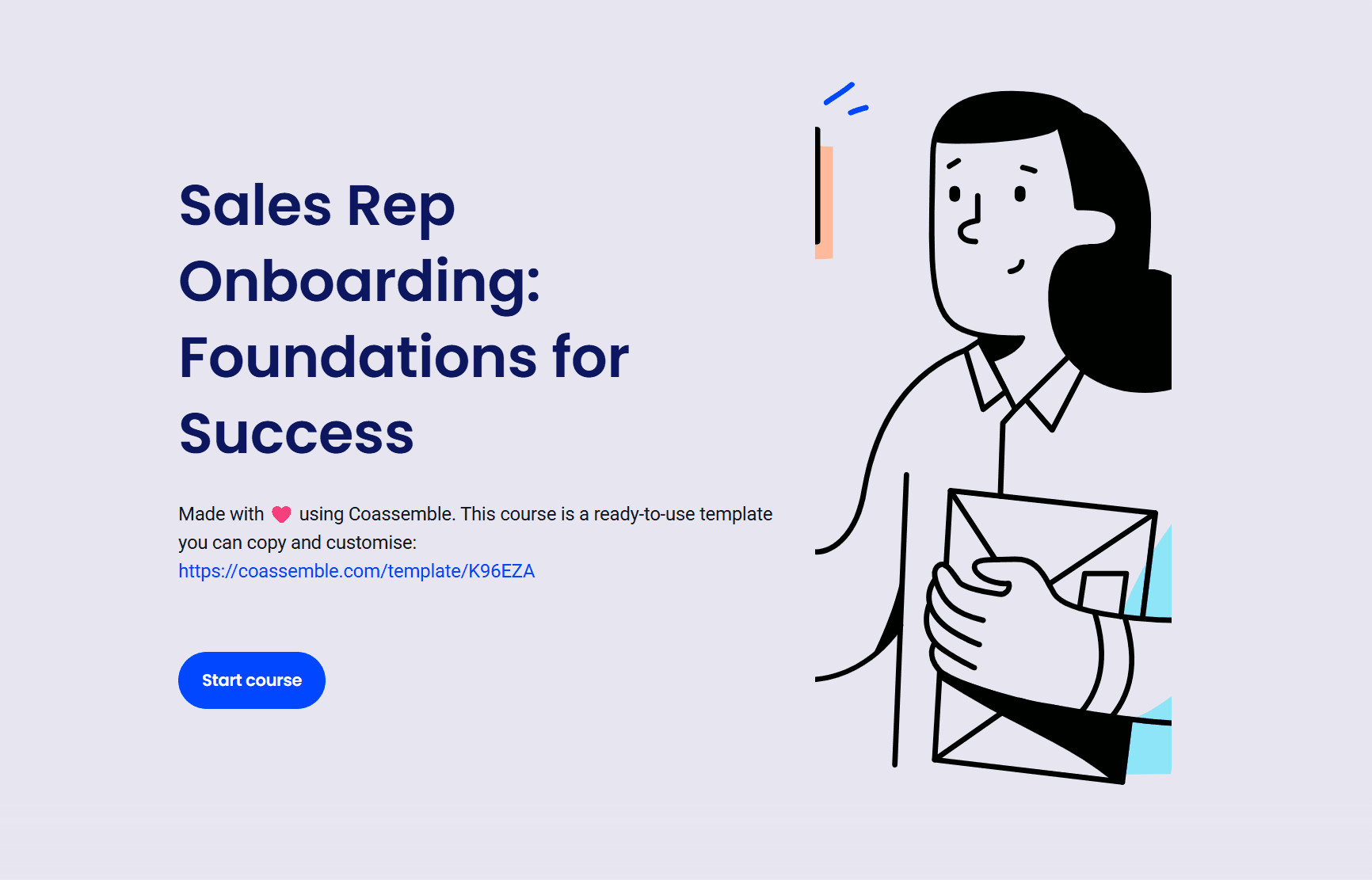
Phasing the employee training program this way prevents overwhelm and makes training progress visible to both the new hire and their manager. Everyone knows where they are and what comes next.
Step 5: Make it trackable
An employee training plan that nobody can measure is just a document with good intentions. Use something that gives you visibility into completion, flags where people drop off, and helps you identify skills gaps before they affect employee performance.
Coassemble makes this straightforward. You can see exactly who's completed what, track progress across your new hires, and spot where someone might need a follow-up conversation or extra support, all from one place.
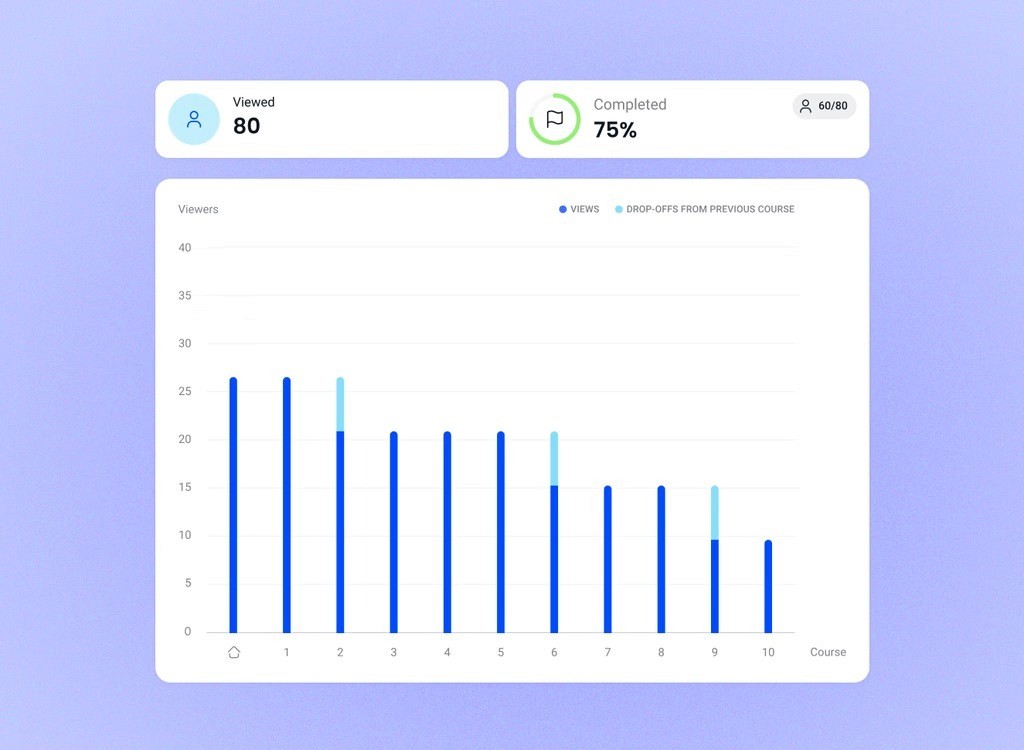
Performance metrics don't have to be complex. Completion rates, quiz scores, and short coaching sessions at key milestones are enough to adjust the plan where needed. That data also feeds into future training initiatives, making each new hire experience better than the last.
Stop scrambling, start building
A training plan for a new employee isn't a document you file away after day one. It's a living roadmap, and when it's built by someone who actually knows the role, it shows. New hires get clarity faster. Managers spend less time re-explaining. And onboarding shifts from reactive scramble to something repeatable and reliable.
The good news? Building one doesn't have to be a project in itself. Most of the knowledge already exists inside your team. It just needs to be structured, sequenced, and shared in a way that actually reaches people. Structuring it well is the first step toward meaningful employee development.
When building and sharing role-specific training takes minutes, not weeks, onboarding stops being an afterthought. It becomes an advantage. And better onboarding drives stronger employee engagement from day one.
Your team already has the knowledge. Coassemble helps you move it.
FAQs on training plan for new employees
What should a training plan for a new employee include?
Clear learning objectives, role-specific training content, a realistic timeline, resources new hires can revisit, and a way to track progress. The best plans also build in regular check-ins to catch gaps early.
How do you create a 30-60-90 day training plan?
Break it into three phases: orientation and basics in the first 30 days, role-specific skills and workflows in days 31-60, and independent contribution by day 90. Each phase should have clear training objectives and measurable outcomes.
Who is responsible for new employee training?
Traditionally, L&D or HR owns the process. Increasingly, team leaders and managers play an active role too; they know the role best. Tools like Coassemble make it easy for managers to build role-specific training and share it directly with new hires, without adding to anyone's plate.
How long should a new employee training plan last?
Most structured plans run 90 days. The first few weeks are the most intensive. After that, training shifts toward reinforcement and independent contribution. Some roles warrant ongoing development well beyond the initial onboarding period. For high-potential hires, that path eventually extends into leadership training.
What's the difference between a training plan and an onboarding plan?
An onboarding plan covers the broader experience: culture, admin, introductions, and settling in. A training plan is more focused: it maps the specific employee skills, tools, and knowledge a new hire needs to perform their role confidently.
Read More

Join the knowledge revolution today
Unlock knowledge. Boost engagement. Drive results
No credit card required

Join the knowledge revolution today
Unlock knowledge. Boost engagement. Drive results
No credit card required
Join the knowledge revolution today
Unlock knowledge. Boost engagement. Drive results
No credit card required